

Description
**IMPORTANT**
We are pleased to announce a new policy regarding NBCC credit for non-live CounselTalk webinars. Effective immediately, participants can now earn “On-Demand” NBCC credit for CounselTalk webinars that are not attended live. To receive this credit, participants must complete a 10-question quiz and an evaluation following the On-demand CounselTalk webinar.
Please note the following details:
- The CounselTalk webinar will switch to “On-Demand” credit after 11:59 pm on the day of the webinar.
- Participants must sign up for the CounselTalk webinar prior to its start time to be eligible for this type of credit.
- We believe this change will provide greater flexibility and convenience for our participants.
Thank you for your continued engagement and commitment to professional development.
Tech, Kids, and School: Finding Balance in a Media Driven World
Thursday, August 28, 2025
6:00 – 8:30 PM ET
Level: Beginner
Presenter
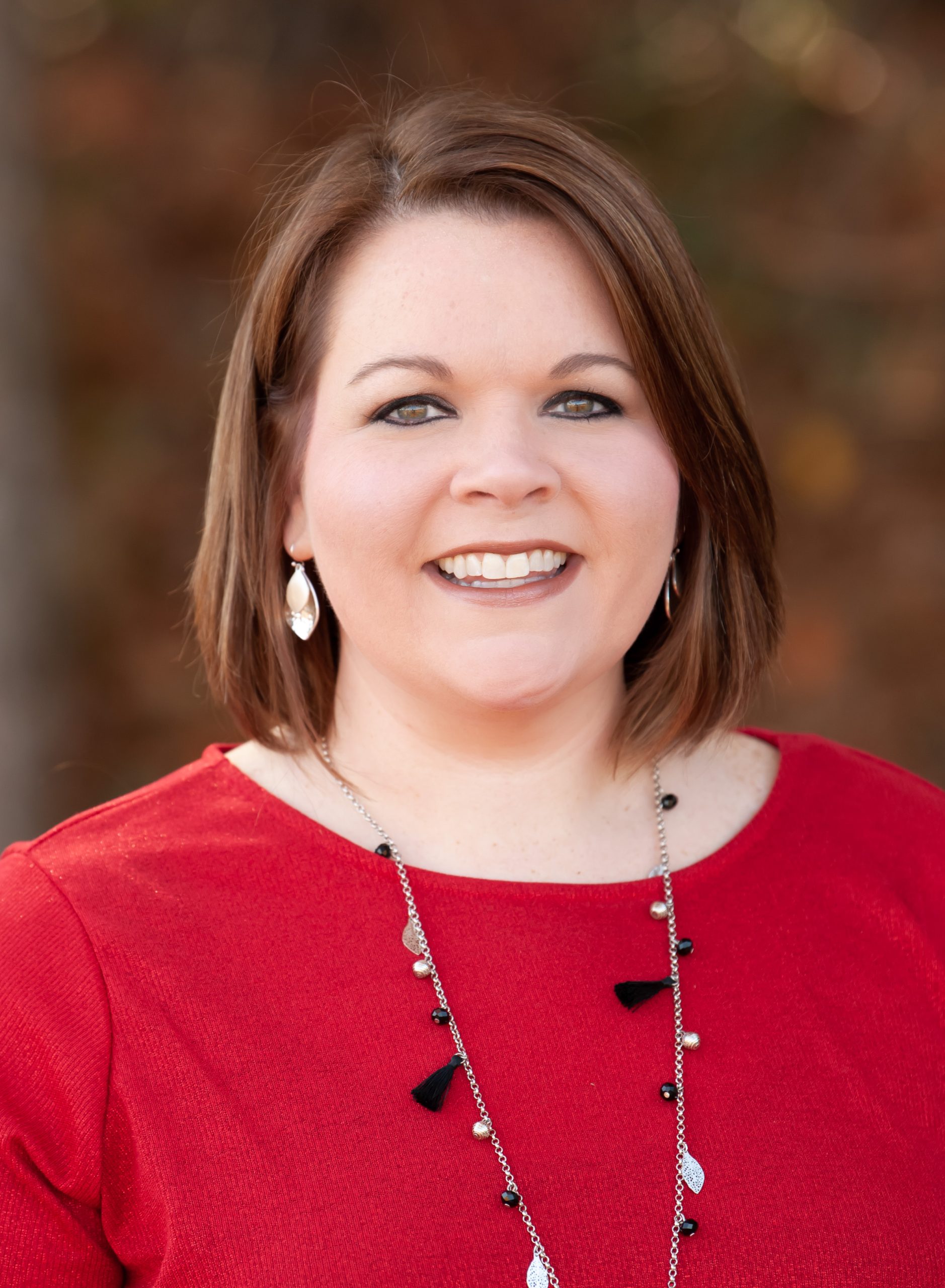
Sarah Kitchens, Ph.D., LPC: Sarah Kitchens, Ph.D., LPC is professor at Liberty University in the School of Behavioral Sciences. Prior to 2014, Dr. Kitchens worked as a professional school counselor, serving both the elementary and secondary levels in both public and private schools. Dr. Kitchens’ professional experience also includes counseling in a private practice and non-profit work as a coach/counselor. Dr. Kitchens is a National Certified Counselor (NCC), licensed School Counselor (K-12), and a licensed professional counselor (LPC). Dr. Kitchens is passionate about counseling children, individuals, and couples.
Lacey Ricks, Ph.D.: Dr. Lacey Ricks served seven years as a school counselor within the state of Georgia. Dr. Ricks is a licensed School Counselor (preK-12), a National Certified Counselor (NCC), and a National Certified School Counselor (NCSC). She has two years of experience as a career and college coach. She began her career as an Assistant Professor in 2014 and is now an Associate Professor at Liberty University. Dr. Ricks has presented at state, regional, and national levels in the areas of poverty, child abuse/trauma, disabilities, Narrative Therapy, identity development, digital addiction, and advocacy. Dr. Ricks also has numerous publications in refereed publications and book chapters. Her primary research foci are poverty and diversity. Dr. Ricks is and has been an active member of many professional organizations and has engaged in numerous service opportunities in her community and profession.
TeShaunda Hannor-Walker, Ph.D., LPC, NCC, CPCS: TeShaunda Hannor-Walker, Ph.D., LPC, NCC, CPCS, is a licensed professional counselor in private practice in the state of Georgia, associate professor, editor, researcher, former school counselor and director of guidance and counseling for 15 years, and author of How to Raise a Successful Child with ADD along with several peer-reviewed publications, textbooks, and textbook chapters. Dr. Hannor-Walker was named American School Counselor Association’s (ASCA) “Top Ten School Counselors in America.” She is certified in School Counseling and Educational Leadership and serves as an educational consultant and trainer. Dr. Hannor-Walker enjoys working with couples in marriage and familycounseling, traveling around the world, and leading research teams with a special interest in research in African and Asian countries. She regularly presents at local, national, and international conferences on topics related to Christianity, education, counseling, trauma, poverty, colorism, digital addictions, the commercial sexual exploitation of children (CSEC), ADHD, and more. Learn more here: www.drhannorwalker.com.
Summary:
Technology and social media offer numerous benefits, including connectivity, access to information, and learning opportunities. However, excessive use can negatively impact mental health, academic performance, and relationships. This session explores the potential consequences of overuse and equips school counselors with practical strategies to support students, parents, and teachers in establishing healthy boundaries. These strategies are able to be adapted to other contexts for licensed mental health professionals. By promoting awareness, encouraging digital wellness habits, and fostering open communication, counselors can guide school communities toward a more balanced, intentional relationship with technology.
Learning Objectives
Participants will:
1) Define the impacts of excessive technology and social media use, as well as what constitutes an “excessive” amount.
2) Identify signs of technology and social media usage negatively impacting students.
3) Examine and adapt strategies and techniques for parents, teachers, and students that assist with creating and maintaining healthy balance between technology and social media.
Continuing Education


Approved for LPC, LMFT, LCSW, and IBCC
The American Association of Christian Counselors (AACC) offers some psychologists, therapists, counselors, social workers, and play therapists Continuing Education (CE) credit due to good standing with certain states and a limited number of professional organizations. It remains the responsibility of each participant to be aware of state licensure and CE requirements.
Participants should check their state and/or local regulations regarding required Continuing Education hours. For more information on Light University Continuing Education programs, please visit https://www.lightuniversity.com/continuing-education-statements/.
*Webinars MUST be watched LIVE to receive CE Credit.