










Description
Presenter
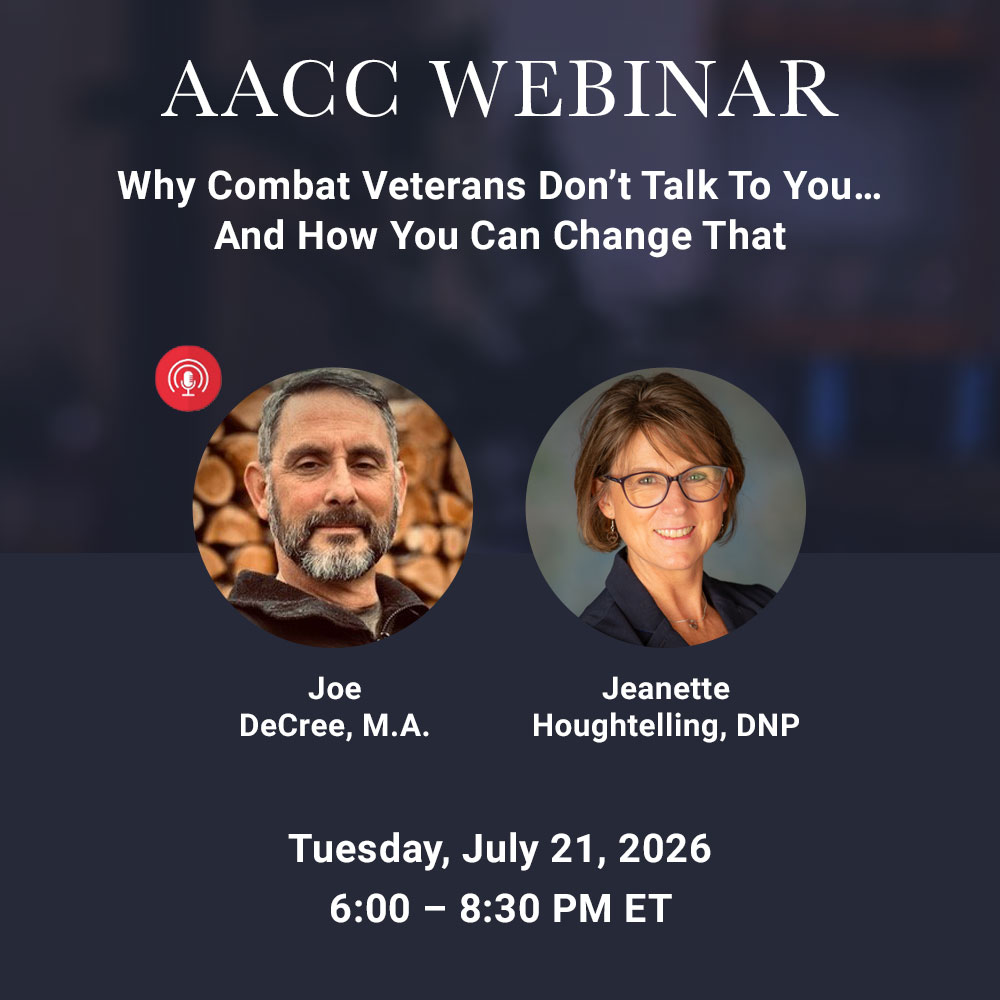
Joe DeCree, M.A.
Trinity Operations Center
Joe DeCree, MA., is an accomplished leader with a diverse career spanning military, mental health, and pastoral counseling fields. He is the lead pastor of Trinity Operations Center in Kalispell, MT, a veteran outreach church focused on aiding veterans in their spiritual and emotional healing. Mr. DeCree holds a BA in Criminology from Indiana University of Pennsylvania, an MA in Homeland Security from American Military University, and an MA in Pastoral Counseling from Liberty University. Additionally, he serves as a life coach and pastoral counselor in a rural Montana town, guiding clients through mental health and life challenges. Mr. DeCree has extensive experience in mental health, having worked as a mental health specialist in a secure inpatient facility and as a juvenile probation officer. He also taught military science and leadership at the University of Montana, where he developed and taught an MBA-level leadership seminar. He served with distinction in the U.S. Army and National Guard for over 20 years, earning a Bronze Star and multiple commendations.
Jeanette Houghtelling, DNP
Great Valley Health Center
Jeanette Houghtelling is a doctoral-prepared, board-certified Psychiatric Mental Health Nurse Practitioner with more than 30 years of experience working with individuals from diverse backgrounds and a wide range of mental health concerns across inpatient psychiatry and medical-surgical settings. She takes a compassionate, whole-person, trauma-informed approach to care.
Jeanette’s connection to the military is both professional and personal. She comes from a multigenerational military family. Both her son and nephew currently serve in the Air Force. This perspective informs her understanding of military culture and the realities many veterans carry. She currently works with veterans as a community care provider, giving her direct experience with the unique challenges veterans face, including barriers to communication and trust.
In “Why Combat Veterans Won’t Talk to You—and How You Can Change That,” Jeanette offers practical insight to help others better understand, connect with, and support the veterans in their lives.
Summary
The veteran mental health crisis is real, with suicide rates officially at 22 per day, though underreported. The Veterans Administration is overwhelmed, especially in rural areas, and the new “Veteran’s Community Care Program” aims to ease access to civilian providers. However, civilian providers often struggle to establish rapport with military veterans. In this workshop, psychologists, licensed mental health professionals, medical personnel, ministry leaders, and coaches will examine the unique challenges combat veterans face when reintegrating into family dynamics and communities after service, which often inhibits their desire to seek mental and medical care. Participants will recognize the specific disruptions combat veterans experience, such as lack of understanding for the military culture and experience, that create barriers to engaging in treatment. Additionally, participants will identify practical techniques for building rapport with veterans and fostering a productive therapeutic relationship. Participants will gain insights and tools they can immediately apply in their practice.
Learning Objectives
Participants will…
- Identify the unique challenges combat veterans face when reintegrating into family dynamics and communities after service and understand the impact of these challenges on their mental health and willingness to seek care.
- Recognize the specific disruptions combat veterans experience that create barriers to engaging in treatment, including the cultural differences between military and civilian environments, and how these affect therapeutic rapport.
- Apply practical techniques to build rapport and foster a productive therapeutic relationship with combat veterans, equipping participants with tools they can use immediately in their practice to engage and support veterans effectively.
Continuing Education
Approved for ASWB, NBCC, IBCC, Florida Board of Clinical Social Work, Marriage and Family Therapy and Mental Health Counseling